Dal baati churma is not just food. It is the single most searched Rajasthani dish by travellers arriving in Jaipur for the first time, by food writers building content around the Pink City, and by families planning group meals around a dish that carries genuine cultural weight. Finding the right dal baati churma restaurant in Jaipur means finding a kitchen that bakes the baati correctly, makes the dal from scratch, and uses jaggery — not refined sugar — in the churma.
Why Dal Baati Churma in Jaipur Is a Decision Worth Getting Right
Three things. That is all dal baati churma is, on paper — a bowl of spiced lentil dal, a round wheat dumpling called baati, and a sweet crumbled wheat preparation called churma. Three things. And yet getting those three things wrong is one of the easiest failures a Jaipur restaurant can commit, and getting them right is one of the rarest achievements. Govindam Retreat, rated 4.4 stars by 7,443 Google-verified guests near Govind Dev Ji Temple in Kanwar Nagar, gets all three right every session. This guide is a complete look at why — and why that matters when you are choosing a dal baati churma restaurant in Jaipur for the first time.
Quick Answers — Dal Baati Churma Restaurant Jaipur
| Question | Direct Answer |
|---|---|
| Which is the best dal baati churma restaurant in Jaipur? | Govindam Retreat — 4.4 stars, 7,443 Google reviews, clay-oven baati, near Govind Dev Ji Temple |
| What is the price of dal baati churma in Jaipur at Govindam? | Traditional Rajasthani Thali including dal baati churma starts at ₹600 plus GST |
| Is the dal baati churma at Govindam 100% vegetarian? | Yes — pure vegetarian kitchen, no onion-garlic in traditional preparation, no egg |
| How is the baati baked at Govindam Retreat? | In a clay oven — not a gas tandoor — producing the authentic smoke-tinged crust |
| Does Govindam Retreat offer dal baati churma with unlimited refills? | Yes — dal, churma, and roti refills are part of the standard thali service |
| Where is Govindam Retreat located in Jaipur? | Near Govind Dev Ji Temple, Kanwar Nagar, Jaipur, Rajasthan 302002 — call 9929949258 |
Table of Contents
- Why Dal Baati Churma in Jaipur Is a Decision Worth Getting Right
- What Exactly Is Dal Baati Churma and Why Jaipur Owns It
- How Govindam Retreat Makes Dal Baati Churma the Right Way
- The Clay Oven Difference — Why Baati Baking Method Matters
- Panchmel Dal — Why Five Lentils Beat One Every Time
- Churma Made With Jaggery Not Sugar — the Honest Difference
- Dal Baati Churma Price Jaipur — What to Expect and Compare
- Best Dal Baati Churma Jaipur — How Govindam Compares to Competitors
- When to Visit and How to Book at Govindam Retreat
- Frequently Asked Questions — Authentic Dal Baati Churma Restaurant Jaipur
What Exactly Is Dal Baati Churma and Why Jaipur Owns It
Dal baati churma is the signature dish of Rajasthani cuisine. Full stop. Every region in India has a flagship preparation — biryani in Hyderabad, idli-sambar in Chennai, vada pav in Mumbai. In Jaipur, in Rajasthan, the dish that carries the most cultural weight and the longest cooking tradition is dal baati churma. It was originally designed for survival. Seriously. The baati — a dense, hard wheat dumpling baked over coals — was food that Rajput warriors could carry and cook without utensils or a proper kitchen. The clay oven, the ghee, the five-lentil dal — these are adaptations born from the Rajasthani desert environment where water is scarce, fresh vegetables are limited, and every preparation needs to deliver maximum sustenance.
The Three Parts That Make One Perfect Dish
The dal in dal baati churma is not just any dal. The traditional Rajasthani version is panchmel — a blend of five lentils cooked together with spices, finished with a tempering of pure desi ghee. The depth of flavour this combination produces is fundamentally different from a single-lentil dal. It takes longer to prepare. It requires more attention. But the flavour that results — a layered, complex, deeply satisfying lentil preparation — cannot be replicated in a thirty-minute single-lentil preparation.
The baati is a wheat dumpling. Shaped by hand, dense, baked until the outside cracks and takes on a dry, slightly smoky character. You crack it open at the table. You pour ghee inside the cavity. You pour dal over it. You eat. That sequence is not optional — it is the correct way to eat a baati, and any restaurant that does not show new guests how to do this is missing the cultural education that is part of the experience.
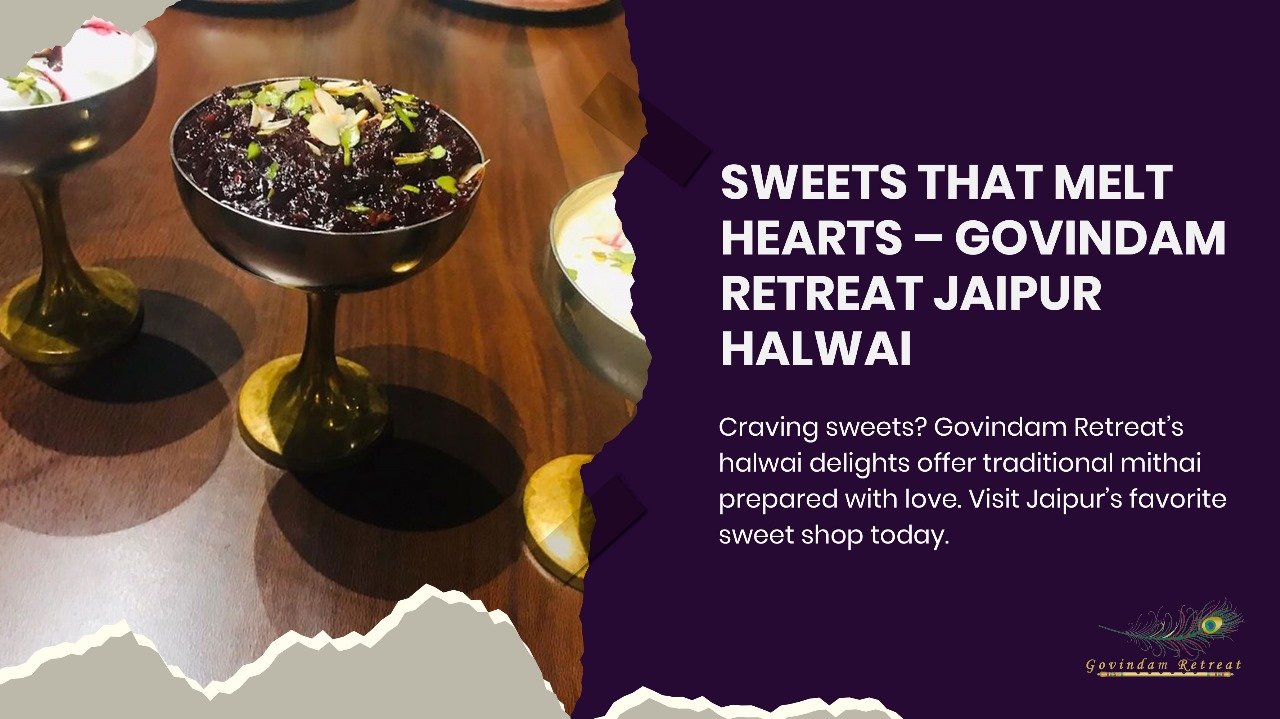
The churma is crushed baati — wheat that has been coarsely ground, mixed with pure desi ghee and traditionally sweetened with jaggery. Not sugar. Jaggery. The molasses-like depth of jaggery creates a churma that is simultaneously sweet, complex, and deeply warming. Sugar-sweetened churma is a shortcut. It tastes like a shortcut.
Why Jaipur Specifically for Dal Baati Churma
Jaipur is the capital of Rajasthan. It is where the most concentrated cluster of restaurants specialising in Rajasthani cuisine operates. It is also where the cooking tradition is most intact — where you can still find clay ovens in use, where panchmel dal recipes have been passed through restaurant kitchens across decades, and where the cultural context of the dish is understood by the people preparing it. Delhi has Rajasthani restaurants. Mumbai has a few. But Jaipur is where the dish is genuinely at home, and finding the right dal baati churma restaurant in Jaipur means accessing that home-ground authenticity.
How Govindam Retreat Makes Dal Baati Churma the Right Way
Here is what happens in the Govindam Retreat kitchen from six in the morning until the first lunch table sits down. The dal goes on the stove. Panchmel — all five lentils together — begins a slow simmer. This is not a shortcut kitchen. Two hours of cooking, minimum. The spices go in at the right stages. The ghee tempering comes last, poured over the finished dal right before service begins so the aroma hits the dining room.
Baati dough is mixed, rested, portioned, and shaped by hand. No machine. No batch process from yesterday evening. Every baati at Govindam is shaped fresh that morning. They go into the clay oven. They bake at the heat that produces the specific texture — cracked exterior, dense and slightly chewy interior — that a correctly baked baati must have. By the time the lunch service opens, every element is at its best.
The 25-Plus Chef Standard Behind Every Serving
The Govindam kitchen runs with more than 25 trained culinary professionals. Among them are specialists in Rajasthani cuisine who did not learn the panchmel dal recipe from a cookbook — they learned it the way you learn any deeply regional dish: by watching, eating, adjusting, and making it repeatedly until the muscle memory and the flavour intuition are the same thing. That lived knowledge is what produces a dal that tastes right. It cannot be sourced from a recipe card.
The Clay Oven Difference — Why Baati Baking Method Matters
Most Jaipur restaurants that serve dal baati churma bake the baati in a gas tandoor. Some use electric ovens. A small number use the clay oven that the dish was originally designed for. Govindam Retreat uses a clay oven. That choice matters in three specific ways, and each one changes the eating experience.
Heat Distribution in a Clay Oven
A clay oven distributes heat differently from any metal cooking vessel. The clay absorbs and radiates heat evenly and steadily, creating a dry, consistent baking environment that is impossible to replicate in a gas tandoor where the heat is more intense at the source. The result in the baati is a crust that forms slowly, becomes uniformly cracked and slightly dry across the entire surface, and develops a faint smoky note from the clay environment itself. Not a campfire smoke. A clean, dry, mineral warmth that sits in the background of the baati’s flavour.
Texture That Cannot Be Rushed
A gas tandoor bakes faster. That speed produces a baati with a harder outer shell and a softer, undercooked interior. The clay oven produces a baati that is thoroughly baked through — dense all the way to the centre, with a consistent chew that holds its shape when you crack it open and pour ghee into the cavity. The ghee does not disappear into a soft crumb. It pools, it soaks, it becomes part of the baati rather than just sitting on top. That is the correct eating experience.
Why Most Restaurants Skip the Clay Oven
The clay oven takes more time, more attention, more skill, and more space than a gas tandoor. For a restaurant operating at volume, those are four significant reasons to use a cheaper, faster alternative. Govindam Retreat absorbs those costs because the result — a baati that actually tastes the way the dish was designed to taste — is not optional for a kitchen that takes the authentic Rajasthani thali seriously.
| Baking Method | Crust Texture | Interior | Flavour Note | Authenticity |
|---|---|---|---|---|
| Clay oven | Uniformly cracked, dry | Dense, fully baked | Faint dry-mineral warmth | Traditional — original method |
| Gas tandoor | Hard shell | Often softer inside | Neutral — no additional note | Modern adaptation |
| Electric oven | Uniform — no crust crack | Soft throughout | Neutral | Not traditional |
Panchmel Dal — Why Five Lentils Beat One Every Time
The “panchmel” in panchmel dal means five. Five lentils — typically chana dal, moong dal, toor dal, urad dal, and masoor dal — cooked together in proportions that create a dal which no single lentil can produce alone. Each lentil contributes something specific. Chana dal adds a mild sweetness and a body that coats the back of a spoon. Toor dal adds the earthiness that most people identify as the baseline dal flavour. Moong dal adds a slight grassy note and lightens the overall texture. Urad dal adds a creamy depth. Masoor dal adds colour and a gentle bitterness that balances the richer lentils.
Why the Simmer Time Is Non-Negotiable
The five lentils cook at different rates. A panchmel dal that has been simmered for 30 minutes has five lentils that are partially cooked and separately distinct. A panchmel dal that has simmered for two hours or more has five lentils that have begun to break down and merge into each other, creating a unified flavour that reads as something more complex than any individual component. The Govindam Retreat dal simmers from early morning. By the time it reaches your table at lunch, it has had sufficient time to become something genuinely unified and deep.
The Ghee Tempering Moment
The final step in the Govindam panchmel dal is the tempering — a process where pure desi ghee is heated in a ladle, mustard seeds and cumin are added until they crackle, dried red chillies go in next, and the entire sizzling mixture is poured over the finished dal. That pour — the sound, the aroma, the immediate visual change on the surface of the dal — is one of those cooking moments that guests at the Govindam dining hall notice and remember. It is done to order, not in a batch. Fresh ghee tempering for every service round.
Churma Made With Jaggery Not Sugar — the Honest Difference
Churma is the sweet element of the dal baati churma trio. It is made from baati that has been baked, cooled, coarsely crushed, mixed with pure desi ghee, and sweetened. The traditional sweetener in Rajasthani churma is jaggery — the unrefined cane sugar product that carries molasses, caramel, and mineral notes that refined white sugar simply does not have.
What Jaggery Does to Churma That Sugar Cannot
White sugar adds sweetness. That is its only function. Jaggery adds sweetness plus a warm, slightly smoky, caramel-adjacent depth that makes churma taste like a Rajasthani sweet rather than a generic dessert. When you eat jaggery churma alongside panchmel dal and a ghee-soaked baati, the three flavours — spiced savoury dal, rich neutral baati, warm complex sweet churma — create a combination that works at a level that sugar churma simply does not reach. The dish was designed with jaggery. The flavour balance was calibrated with jaggery. Substituting refined sugar changes the balance.
Govindam Retreat uses jaggery. This is not a small detail — it is the difference between an authentic preparation and a simplified one, and experienced Rajasthani food eaters taste it immediately.
Dal Baati Churma Price Jaipur — What to Expect and Compare
The traditional Rajasthani Thali at Govindam Retreat, which includes the full dal baati churma preparation alongside 13 additional dishes, starts at ₹600 plus GST. That price includes clay-oven baked baati, panchmel dal, jaggery churma, unlimited refills on selected dishes, table service, and the Govindam cultural dining environment near Govind Dev Ji Temple.
What Dal Baati Churma Costs Across Jaipur Restaurants
| Restaurant | Dal Baati Churma Price | Method | Churma Sweetener | Includes Full Thali |
|---|---|---|---|---|
| Govindam Retreat | ₹600 + GST (full 16-item thali) | Clay oven | Jaggery | Yes |
| Chokhi Dhani | ₹1,000–₹1,200 (with entertainment) | Gas oven | Mixed | Yes — cultural show included |
| LMB Jaipur | ₹350–₹500 | Gas tandoor | Sugar-jaggery mix | Limited refills |
| Thali and More | ₹300–₹450 | Gas/electric | Sugar | Yes |
| Specialty Dal Bati dhabas | ₹80–₹200 | Traditional | Jaggery | No — dish only |
Competitor pricing is indicative based on publicly available information and subject to change. Govindam Retreat pricing is fixed and confirmed at booking — no hidden charges.
Value Assessment at ₹600
At ₹600 for a clay-oven baked baati, slow-simmered panchmel dal, jaggery churma, and 13 additional Rajasthani preparations with unlimited refills, Govindam Retreat offers the strongest price-to-quality ratio for an authentic dal baati churma restaurant in Jaipur. Chokhi Dhani charges nearly double and includes an entertainment package that some guests value and others find unnecessary. Dhabas charge less but deliver a single-dish experience without the full cultural context.
Best Dal Baati Churma Jaipur — How Govindam Compares to Competitors
The honest comparison. Govindam Retreat is not the oldest dal baati churma destination in Jaipur. LMB has been serving since 1727. Chokhi Dhani has brand recognition that spans two generations of Jaipur tourism. But neither of those establishments has 7,443 Google-verified reviews averaging 4.4 stars from a guest base that includes both Indian families and international travellers — and neither of them uses a clay oven for baati baking as a stated kitchen standard.
What Govindam Has That Competitors Do Not
The live folk music during dining sessions at Govindam Retreat creates an atmosphere that neither LMB nor Thali and More matches. The location near Govind Dev Ji Temple places the restaurant on a pilgrimage and heritage route that generates organic footfall from guests already in a culturally engaged mindset. The full 16-item thali means that dal baati churma is part of a complete Rajasthani meal rather than a standalone dish experience.
What Competitors Do Better
Chokhi Dhani has a stronger brand narrative and a village-resort concept that creates a distinct event atmosphere. LMB has the heritage credibility of a 300-year-old institution. For guests who primarily want an entertainment experience alongside their food, Chokhi Dhani is the stronger choice. For guests who want the most authentic flavour at the most accessible price in the most convenient Jaipur location, Govindam Retreat is the answer.
| Comparison Point | Govindam Retreat | Chokhi Dhani | LMB Jaipur |
|---|---|---|---|
| Google reviews | 7,443 — 4.4 stars | Large volume — 4.2 avg | High volume — heritage brand |
| Baati baking | Clay oven — stated standard | Gas — primarily | Gas tandoor |
| Dal type | Panchmel — five lentils | Traditional | Traditional |
| Churma sweetener | Jaggery | Mixed | Mixed |
| Price for dal baati churma | ₹600 + GST — full thali | ₹1,000–₹1,200 | ₹350–₹500 |
| Live music | Yes | Yes — cultural show | No |
| Location | Near Govind Dev Ji Temple | Outskirts of Jaipur | Johri Bazaar |
| Pure vegetarian | Yes | Yes | Yes |
When to Visit and How to Book at Govindam Retreat
The practical part. Minimum group size for the full thali experience at Govindam Retreat is 30 guests. This is because the preparation cycle — clay-oven baati baking, panchmel dal slow-simmer, fresh churma — is calibrated for group service. Smaller groups and walk-ins are accommodated based on availability, but advance booking is strongly recommended.
Best Time to Experience Dal Baati Churma at Govindam
The lunch session delivers the best version of the dish. Everything that has been simmering or baking since six in the morning reaches its peak flavour window between noon and 2 PM. The dal is at its most developed. The baati is at its freshest from the morning baking cycle. The churma is freshly prepared. If you have a choice between lunch and dinner for your first Govindam visit, choose lunch.
Step-by-Step Booking Process
| Step | Action |
|---|---|
| 1 | Confirm your date and guest count — minimum 30 pax for standard group service |
| 2 | Call 9929949258 or email razzasha007@gmail.com with your requirements |
| 3 | Choose your menu — traditional thali at ₹600, royal buffet at ₹800, or corporate lunch at ₹500 |
| 4 | Receive booking confirmation from the Govindam team |
| 5 | Arrive 10 minutes before your session — kitchen finalises fresh preparations on group arrival |
Tips for Getting the Most From Your Dal Baati Churma Experience
| Tip | Why It Matters |
|---|---|
| Tell the staff you are eating dal baati churma for the first time | They will walk you through the cracking, ghee-pouring, and eating sequence correctly |
| Ask for additional ghee alongside the baati | The full flavour of the preparation opens up with the right ghee quantity inside the cracked baati |
| Start with the dal baati churma before the other thali dishes | The baati is at peak temperature at the start of service — eat it while it is freshest |
| Explore the full Govindam menu before visiting | Knowing what else is on the thali helps you pace your appetite correctly |
| Consider the anniversary package for special occasion visits | The 9-course luxury feast includes dal baati churma alongside elevated preparation standards |
Govindam Retreat — Full Contact and Location Details
Govindam Retreat — Authentic Dal Baati Churma Restaurant Jaipur Near Govind Dev Ji Temple, Kanwar Nagar, Jaipur, Rajasthan 302002 Phone and WhatsApp: 9929949258 Email: razzasha007@gmail.com Website: govindamretreat.in Operating hours: 8:00 AM to 10:00 PM — All days — Monday to Sunday Book your table now
Also explore: Royal Rajasthani Buffet ₹800 + GST | Luxury Anniversary Feast ₹650 + GST | Corporate Lunch Thali ₹500 + GST
Frequently Asked Questions — Authentic Dal Baati Churma Restaurant Jaipur
Which is the most authentic dal baati churma restaurant in Jaipur for first-time visitors?
Govindam Retreat near Govind Dev Ji Temple is the most authentic dal baati churma restaurant in Jaipur for first-time visitors. Clay-oven baked baati, panchmel dal simmered from early morning, jaggery churma, a full 16-item Rajasthani thali at ₹600, and staff who explain the dish to international guests make it the most complete first-time experience available in the city.
What is the difference between dal baati churma at a dhaba and at a restaurant like Govindam Retreat?
A dhaba serves dal baati churma as a standalone dish at lower prices, typically without the cultural context, table service, or complete thali experience. Govindam Retreat serves dal baati churma as the centrepiece of a 16-item Rajasthani royal thali, in a heritage-designed dining environment with live folk music, attentive table service, and unlimited refills on key dishes — a complete dining experience rather than a single-dish meal.
Is the baati at Govindam Retreat really baked in a clay oven and not a gas tandoor?
Yes. Govindam Retreat uses a clay oven for baati baking as a kitchen standard. This produces the authentic cracked exterior, dense interior, and dry-mineral warmth that a gas tandoor cannot replicate. The clay oven requires more time and skill but produces the baati texture and flavour that the dish was originally designed around.
Can I visit Govindam Retreat for dal baati churma without being part of a group?
The minimum preparation is calibrated for groups of 30-plus guests. Smaller parties and individuals may be accommodated based on session availability. Calling 9929949258 before visiting is strongly recommended to confirm availability for smaller groups. Walk-in availability is higher on weekday sessions than on weekends and festival periods.
Is the dal baati churma at Govindam suitable for strict vegetarians and Jain guests?
The traditional dal baati churma at Govindam Retreat is prepared in a 100 percent pure vegetarian kitchen with no onion or garlic in the traditional preparations. For Jain guests with specific requirements — no root vegetables, no certain spices — advance notice at booking allows the kitchen to prepare accordingly. Call 9929949258 at least 24 hours before your visit.
What makes Govindam Retreat’s dal baati churma restaurant better than what is served at major Jaipur hotels?
Hotel restaurants adapt dal baati churma for a broad, international guest base — they simplify the preparation, use gas ovens, and often sweeten churma with sugar for a more universally acceptable flavour. Govindam Retreat is a specialist kitchen that serves dal baati churma the traditional way — clay oven baati, panchmel dal, jaggery churma — without adapting the preparation for the lowest common denominator palate. The 7,443 Google reviews at 4.4 stars confirm that guests from around the world consistently prefer the specialist result.
How far is Govindam Retreat from the main Jaipur tourist circuit?
Govindam Retreat sits near Govind Dev Ji Temple in Kanwar Nagar — within easy reach of City Palace, Jantar Mantar, and Hawa Mahal by auto or cab. The drive from Amer Fort takes approximately 30 minutes. From Jaipur Railway Station, the journey is under 20 minutes. The location places the restaurant on the natural route through Jaipur’s inner heritage zone, making a Govindam Retreat lunch a logical addition to any standard Jaipur itinerary.
Is dal baati churma available year-round at Govindam Retreat or only on specific days?
Dal baati churma is available every day as part of the traditional Rajasthani Thali at Govindam Retreat. The restaurant operates all seven days from 8 AM to 10 PM. During festivals and special occasions, the thali may include additional seasonal preparations alongside the standard dal baati churma, but the core dish never leaves the menu. Calling ahead for festival periods ensures you know what additional specials are running on your chosen date.
Dal Baati Churma in Jaipur — The Conclusion That Matters
The best dal baati churma restaurant in Jaipur is one where the baati is baked the right way, the dal has been cooking long enough to develop real depth, and the churma uses jaggery instead of sugar. Those three standards sound simple. They are not. Meeting all three requires a kitchen philosophy that prioritises authenticity over convenience, and a team that has the skill and time to execute each step correctly every single day. Govindam Retreat does this. The 7,443 guests who have reviewed the restaurant confirm it. The clay oven running every morning confirms it. The jaggery in the churma confirms it. If you are searching for the best dal baati churma restaurant in Jaipur, you have found it. Book your table at govindamretreat.in or call 9929949258.
Govindam Retreat | Near Govind Dev Ji Temple | Kanwar Nagar | Jaipur, Rajasthan 302002 | 9929949258 | razzasha007@gmail.com | govindamretreat.in | Open 8 AM to 10 PM — All Days