
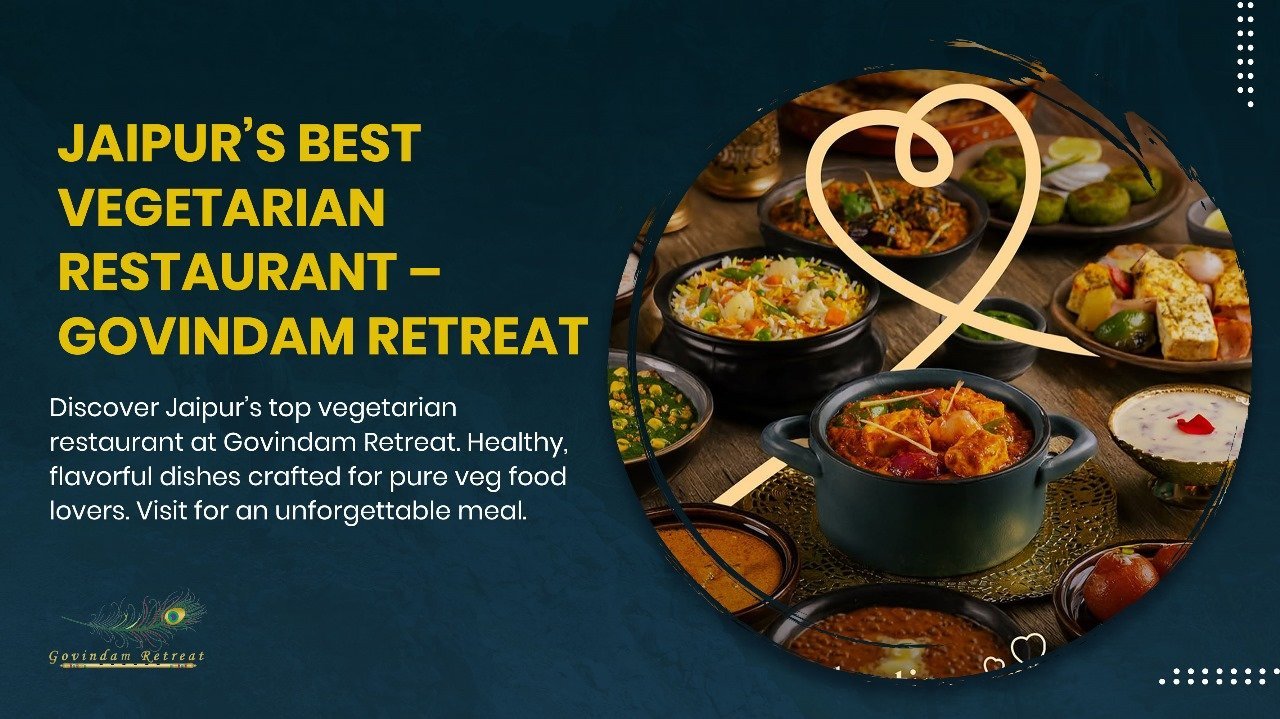
11 Extraordinary Reasons to Choose Jaipur's Best Vegetarian Restaurant – Govindam Retreat
Finding a good vegetarian restaurant in Jaipur is easy. Finding one that makes the meal feel connected to Rajasthan is a different experience.
Jaipur has a deep vegetarian food culture shaped by family traditions, local communities, temple culture, desert ingredients, regional recipes, and generations of skilled cooking. Vegetarian food here does not need to feel like a smaller version of a regular menu.
Govindam Retreat brings together vegetarian dining, Rajasthan-inspired cuisine, family hospitality, and a heritage-area location near Govind Dev Ji Temple.
Rather than simply calling any restaurant "the best," here are eleven useful reasons to consider Govindam Retreat when choosing a vegetarian dining experience in Jaipur.
Table of Contents
- Why Vegetarian Dining Is Special in Jaipur
- 11 Extraordinary Govindam Retreat Dining Experiences
- Authentic Rajasthan Food Beyond Regular Veg Dishes
- Vegetarian and Jain-Friendly Dining
- Family and Group Dining in Jaipur
- Heritage Dining Near Govind Dev Ji Temple
- A Vegetarian Restaurant Experience for Tourists
- How to Plan Your Govindam Retreat Visit
- Conclusion
- Frequently Asked Questions
Why Vegetarian Dining Is Special in Jaipur
Vegetarian food is deeply rooted in Jaipur's culinary identity.
Rajasthan's communities developed a wide range of dishes using grains, pulses, dairy products, gram flour, local vegetables, spices, and ingredients suited to the state's climate.
More Than Paneer and Dal
Visitors sometimes assume Indian vegetarian restaurant food mainly means paneer curries and dal.
Rajasthan shows how much wider vegetarian cuisine can be.
Traditional foods can include:
- Dal Baati Churma
- Gatte Ki Sabzi
- Ker Sangri
- Kadhi
- Bajra Roti
- Missi Roti
- Regional accompaniments
- Traditional sweets
Each brings a different taste and texture.
Food Shaped by Rajasthan
The region's climate helped shape its cuisine.
Ingredients such as millet, gram flour, pulses, dried foods, yogurt, and ghee became important because they suited local conditions and lifestyles.
This gives Rajasthan vegetarian food a clear regional identity.
Vegetarian Food as Cultural Discovery
For tourists, eating regional vegetarian food provides another way to understand Jaipur.
The meal connects visitors with:
- Geography
- Family traditions
- Festivals
- Agriculture
- Hospitality
- Local history
That makes dining part of the travel experience.
11 Extraordinary Govindam Retreat Dining Experiences
These eleven points describe dining qualities and experiences, not eleven awards, rankings, or separate restaurant facilities.
1. A Vegetarian-First Dining Experience
At a vegetarian-focused restaurant, meat-free food is not treated as an afterthought.
Vegetarian diners can explore the menu without repeatedly searching for the small number of dishes suitable for them.
This is particularly useful for families where everyone prefers vegetarian food.
2. Rajasthan-Inspired Regional Flavors
Visitors to Jaipur often want food that feels connected to Rajasthan.
Regional dishes give the meal a sense of place.
Instead of eating only food available in every Indian city, guests can explore traditional preparations and local ingredients.
3. The Dal Baati Churma Experience
Dal Baati Churma is one of Rajasthan's most recognized foods.
It combines:
- Savory dal
- Baked baati
- Sweet churma
The contrast between these three elements makes it a useful starting point for anyone discovering Rajasthan cuisine.
Guests visiting specifically for a particular dish should confirm current menu availability.
4. Traditional Rajasthani Thali Discovery
A thali allows visitors to experience several regional flavors together.
Depending on the current menu, a Rajasthan-style meal may bring together different curries, dal, breads, accompaniments, and sweets.
For first-time tourists, this can be easier than ordering several unfamiliar dishes separately.
5. Gatte Ki Sabzi and Gram-Flour Traditions
Gatte Ki Sabzi represents another side of Rajasthan cooking.
Gram-flour dumplings are paired with a flavorful gravy, showing how regional cooks created satisfying meals using ingredients that were practical and widely available.
6. Ker Sangri and Rajasthan's Desert Story
Ker Sangri is particularly interesting because its identity is closely connected with Rajasthan's dry landscape.
Trying it gives visitors a taste that is more region-specific than ordinary mixed vegetable dishes.
7. Traditional Rajasthan Sweets
Jaipur's food culture continues after the savory course.
Traditional sweet traditions include foods such as:
- Ghewar
- Rabri
- Churma
- Mawa-based sweets
- Other seasonal mithai
Availability can change, particularly for seasonal sweets.
8. Jain-Friendly Dining Conversations
A good vegetarian dining experience should make dietary conversations easier.
Jain food is not simply another name for vegetarian food.
Guests should explain restrictions involving:
- Onion
- Garlic
- Root vegetables
- Other ingredients they avoid
The restaurant can then confirm which current dishes are suitable.
9. Family-Friendly Dining
Families need more than food.
They need a place where children, parents, and grandparents can eat comfortably together.
Shared vegetarian dishes and regional meals can make it easier for everyone to taste something different.
10. Heritage-Area Dining
Govindam Retreat is near Govind Dev Ji Temple in Jaipur's historic area.
For tourists, this allows the meal to fit naturally around nearby sightseeing rather than requiring a completely separate journey.
11. Rajasthan Hospitality
The final reason is not a dish.
It is hospitality.
Helpful service can turn unfamiliar Rajasthan food into a much better experience by explaining dishes, understanding dietary requests, and allowing guests to enjoy their meal without feeling rushed.
Authentic Rajasthan Food Beyond Regular Veg Dishes
A strong vegetarian restaurant should help diners move beyond familiar choices.
Dal Baati Churma
This iconic Rajasthan combination provides savory, baked, and sweet flavors together.
Visitors interested in the complete story can explore the Dal Bati Churma at Govindam Retreat Jaipur guide.
Gatte Ki Sabzi
Gatte bring a firm gram-flour texture that is different from ordinary vegetables.
Ker Sangri
Ker Sangri adds a desert-food identity that helps distinguish Rajasthan cuisine from broader North Indian restaurant food.
Traditional Breads
Breads such as Bajra Roti and Missi Roti can add another regional element to the meal.
Rajasthan Desserts
Traditional sweets complete the experience.
The Traditional Jaipur Sweets – Govindam Retreat's Authentic Halwai Experience guide provides more detail about Jaipur's mithai culture.
Vegetarian and Jain-Friendly Dining
Dietary preferences need clear communication.
Vegetarian Dining
Rajasthan cuisine provides a broad vegetarian base through:
- Lentils
- Grains
- Dairy
- Gram flour
- Regional vegetables
- Breads
- Sweets
This means vegetarian guests can explore the cuisine without feeling restricted to a few standard choices.
Jain Food
Guests following Jain dietary practices should explain their exact requirements.
Do not assume a vegetarian curry is automatically Jain-friendly.
No Onion No Garlic Food
Some diners avoid onion and garlic without following all Jain dietary rules.
This should be communicated as a separate request.
Allergies and Other Requirements
Guests with food allergies should also ask about ingredients and preparation before ordering.
A dietary preference and a medical allergy are not the same thing and should be communicated accordingly.
Family and Group Dining in Jaipur
Restaurant meals often become part of family travel.
Family Lunch
Lunch can fit naturally between Jaipur sightseeing activities.
A relaxed midday meal gives families time to rest before continuing their day.
Family Dinner
Dinner offers more time for:
- Conversation
- Shared dishes
- Desserts
- A slower dining experience
Multi-Generation Families
A family restaurant may need to accommodate:
- Young children
- Adults
- Senior citizens
- Guests with dietary requirements
Menu variety and comfortable service become especially important.
Group Celebrations
For birthdays, anniversaries, corporate meals, or other gatherings, confirm group seating and current event arrangements before visiting.
Heritage Dining Near Govind Dev Ji Temple
Govindam Retreat's location adds another layer to the dining experience.
Govind Dev Ji Temple
Visitors planning a temple visit can include a meal within the same broader heritage-area itinerary.
City Palace and Historic Jaipur
The surrounding historic area also makes it possible to combine dining with Jaipur's cultural attractions.
Make Food Part of Sightseeing
A visitor's Jaipur day might include:
- Exploring a heritage attraction.
- Visiting Govind Dev Ji Temple.
- Enjoying a Rajasthan-inspired vegetarian meal.
- Exploring nearby markets or historic areas.
This creates a more connected travel experience.
A Vegetarian Restaurant Experience for Tourists
Tourists often want authentic food but may not understand the menu.
A few simple questions can help.
Ask What Is Traditionally Rajasthani
This immediately separates regional specialties from dishes available everywhere.
Ask About Spice Level
Rajasthan food can be flavorful without every dish being extremely hot.
Guests sensitive to chili should ask before ordering.
Try a Thali
A traditional thali can provide an easier introduction to several dishes at once.
The Best Rajasthani Thali in Jaipur guide explains the main foods and how they fit together.
Leave Room for Dessert
Traditional Jaipur sweets can be part of the cultural experience rather than simply an extra course.
Do Not Try Everything in One Meal
Rajasthan cuisine has too much variety to understand in one sitting.
Try a few dishes properly and explore something different at your next meal.
How to Plan Your Govindam Retreat Visit
A little planning can make the dining experience easier.
Check Current Timings
Restaurant timings can change, so verify them before making a special journey.
Ask About Specific Dishes
If you are visiting specifically for:
- Dal Baati Churma
- A Rajasthani thali
- Ghewar
- Rabri
- Another regional specialty
confirm that it is available on your intended date.
Share Dietary Requirements
Tell the restaurant about Jain food, no onion no garlic requests, or allergies before ordering.
Plan for Larger Groups
Families and tourist groups should consider confirming seating in advance.
Combine Dining With Jaipur Heritage
If you are already exploring Govind Dev Ji Temple, City Palace, or Jaipur's historic areas, plan the meal as part of the same route.
Conclusion
Jaipur's best vegetarian restaurant cannot be decided by one universal ranking because every diner values something different.
Some guests want traditional Rajasthan food. Families may prioritize comfort. Jain diners need clear ingredient information. Tourists want authentic local flavors. Others simply want a relaxed vegetarian meal in a memorable setting.
Govindam Retreat brings together several of these needs through vegetarian dining, Rajasthan-inspired cuisine, family hospitality, traditional food experiences, and its location near Govind Dev Ji Temple.
The eleven reasons explored here are not invented awards or separate facilities. They represent the food, culture, dietary flexibility, family experience, location, and hospitality that can make a vegetarian restaurant worth considering.
For the best experience, check current timings and menu availability, explain dietary requirements clearly, and choose dishes that help you discover something genuinely connected with Rajasthan.